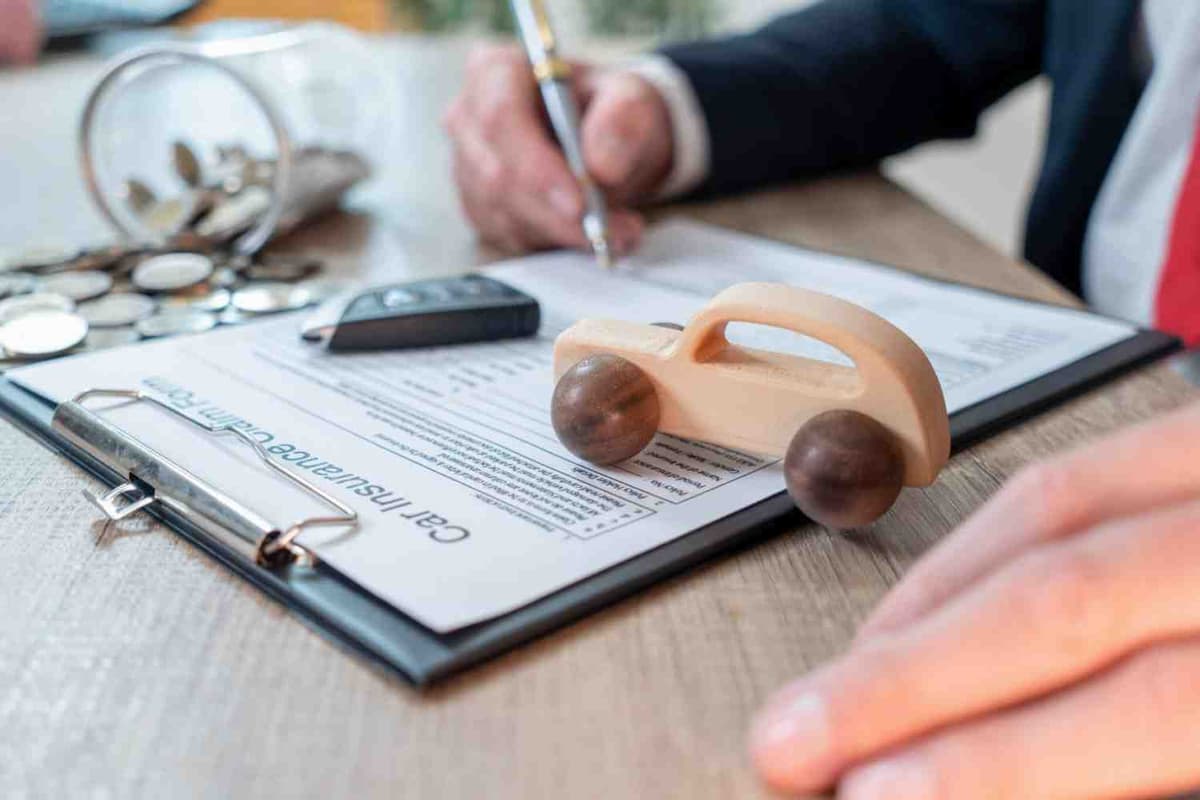
Private Party Auto Loans: How to Finance a Car Bought From a Private Seller

Private party auto loans work differently from dealer financing. If you've ever tried to arrange private seller car financing, you know the process can be more complicated than expected. Whether you're buying a car from an owner you found online or through a personal connection, knowing your financing options before you commit can save you time, money, and stress. Understanding how private party auto loans work, what rates to expect, and how to move forward even if your credit isn't perfect is key to securing an auto loan that works for you.

What Are Private Party Auto Loans?
A private party auto loan is financing used to purchase a vehicle from an individual seller rather than from a licensed dealership. When you buy from a dealer, financing is often arranged on-site. When you're buying a car from an owner directly, there's no intermediary, which changes how the transaction works.
Some banks and credit unions offer dedicated private party auto loans that function similarly to traditional auto loans, with the vehicle serving as collateral. Others don't offer private party financing at all. For buyers who can't find a suitable traditional auto loan, or whose vehicle doesn't qualify, a personal loan is a common and flexible alternative for private seller car financing.
Private Party Auto Loan Rates: What to Expect
Private party auto loan rates vary based on several factors, including your credit score, income, the lender, characteristics of your vehicle, and the loan term you select. If you're using a personal loan for private seller car financing, the rate you're offered will be based on your overall credit profile rather than the vehicle itself. Borrowers with stronger credit profiles generally qualify for lower rates; those with fair or limited credit may see higher APRs. Either way, checking your rate before you commit shows you the actual cost before any decision is made. You can check your rate through Upgrade with no impact to your credit score.
A few things that influence what rate you may see:
- Credit score and history: your payment record and overall credit profile
- Debt-to-income ratio: how your existing obligations compare to your income
- Loan term: shorter terms typically carry lower rates but higher monthly payments
- Loan amount: the total you're borrowing relative to your financial profile
How to Get a Private Party Auto Loan
Knowing how to get a private party auto loan comes down to choosing the right financing type and preparing before you apply. Here's the general process:
1. Agree on a purchase price first. Before applying for any financing, confirm the price with the seller. You need a specific number to borrow the right amount.
2. Check your credit. Review your credit report and understand where your credit score stands. This helps set realistic expectations about the rates and amounts you may qualify for.
3. Explore your financing options. Traditional private party auto loans, personal loans, and credit union products are all worth comparing. For older vehicles or buyers who want a simpler process, a personal loan may offer fewer restrictions. Private party auto loans can also have different options based on characteristics of the vehicle, like vehicle age and mileage.
4. Check your rate. With Upgrade, you can check your personal loan rate with no impact to your credit score. You'll be able to see available loan amounts and terms before committing.
5. Gather your documents. Typically, personal loan requirements include proof of income, identification, and basic financial information. Having these ready can speed up the process.
6. Complete the purchase. Once your funds are available, pay the seller, complete the title transfer, and arrange insurance before driving the car or truck.
Private Party Auto Loans with Bad Credit: What Are Your Options?
If you have a lower credit score and you have an older vehicle, securing private party auto loans with lower credit scores can be more challenging, but it’s not necessarily impossible. Here's what to know.
- Personal loans may offer more flexibility. Because personal loans are typically unsecured and based on your overall financial profile rather than the vehicle, some lenders may be willing to work with borrowers across a range of credit scores.
- A co-borrower can strengthen your application. If someone with a stronger credit profile is willing to apply jointly, this may expand the options available to you and potentially improve the rate you're offered. Both applicants are responsible for repayment.
- Improving your credit profile before applying can help. Even small improvements, like paying down an existing balance, correcting a credit report error, or reducing your debt-to-income ratio, can affect the terms you see.
Using a Personal Loan for Private Seller Car Financing
For many buyers, a personal loan is the most practical route for private seller car financing. Here’s how it works in practice.
Once a personal loan is approved, the money is deposited directly into your bank account. You then pay the seller as a cash buyer. There's no lien placed on the vehicle title, which the seller transfers to you. You repay the personal loan to your lender in fixed monthly installments.
Key advantages of this approach:
- No vehicle age or mileage restrictions: the loan is based on you, not the car
- Clean title transfer: no lender claim on the vehicle
- Fixed monthly payment: consistent and predictable throughout the loan term
- Flexibility on timing: funds in your account let you close when you and the seller are ready
Check Your Rate at Upgrade with No Impact to Your Credit Score →

Check Your Rate
Ready to explore your options? Check your rate with no impact to your credit score.
What to Do Before You Finalize a Private Party Purchase
Getting financing sorted is one piece of the puzzle. These steps help protect you from common pitfalls in private party transactions:
- Run a vehicle history report. Services like Carfax or AutoCheck show accident history, title status, odometer records, and previous ownership. Don't skip this step.
- Get a pre-purchase inspection. A licensed mechanic can identify issues the seller may not disclose or may not even know about. Inspections typically cost $100–$200.
- Verify the title is clear. Confirm there are no outstanding liens on the vehicle. A lienholder has a legal claim on the car until the debt is paid, which can complicate or block the title transfer. To verify a title is clear, request the seller's Vehicle Identification Number (VIN) and use a vehicle history report like CARFAX to check the title.
- Know your state's transfer process. Title transfers for private sales vary by state and typically involve a bill of sale, signed title, registration fees, and sometimes a smog or safety check.
- Follow best practices to avoid fraud related to private party car sales. These can include examining and test driving the car, asking the seller to meet at a safe, third-party location, and ensuring the vehicle’s car title and registration are legitimate and correct before signing paperwork.
How It Works with Upgrade
Upgrade offers personal loans that can be used for private party vehicle purchases, with fixed rates and set monthly payments. Here's the process:
- Check Your Rate. See potential loan offers with no impact to your credit score. A soft credit pull shows you available amounts and terms so you can compare before committing.
- Choose Your Offer. Select the loan amount and term that matches the purchase price and fits your budget. Your rate and payment are fixed for the life of the loan.
- Receive Funds After Verification. Once your application clears verification, funds are deposited to your account. You then complete the purchase and pay the seller directly.
What to Consider Before You Borrow
- Borrow what you need, not more. Base your loan amount on the agreed purchase price. Registration, taxes, and title transfer fees are typically separate costs.
- Compare the full cost, not just the monthly payment. A longer loan term reduces your monthly obligation but increases total interest paid. Choose the shortest term your budget can comfortably support.
- Account for origination fees. If a loan origination fee applies, it may be deducted from your loan proceeds — meaning you could receive slightly less than your loan amount. Factor this into your calculation.
- Arrange insurance before you drive. Auto insurance must be in place before you take possession of the vehicle. Because a personal loan places no lien on the title, you have more flexibility in the coverage level you choose — though your state's minimum requirements still apply.
Private Party Auto Loans FAQs
What is a private party auto loan? A private party auto loan is financing used to purchase a vehicle from an individual rather than from a dealership. Some lenders offer dedicated private party loan products; others don't. A personal loan is a common alternative because it can be used for private seller car financing without restrictions on the vehicle's age, mileage, or condition.
What are typical private party auto loan rates? Rates vary based on your credit profile, income, loan term, characteristics of your vehicle, and the lender you choose. Private party financing often carries slightly higher rates than new car dealer loans. Checking your rate with Upgrade for a personal loan uses a soft inquiry and won't affect your credit score.
Can I get a private party auto loan with a lower credit score? Options exist, though they're more limited than borrowers with stronger credit scores. A personal loan may offer more flexibility than a traditional private party auto loan since it's based on your overall financial profile rather than the vehicle. A co-borrower with a stronger credit score may also help expand your options.
How does buying a car from an owner with a loan work? When using a personal loan for a private party purchase, funds are deposited to your bank account after approval. You pay the seller directly — essentially as a cash buyer. The title transfers to you without a lien, and you repay the lender in fixed monthly installments.
How much can I borrow for a private party car purchase? Loan amounts vary by lender and depend on your credit profile, income, and other factors. Agree on a purchase price with the seller before applying so you know the amount you need. Checking your rate at Upgrade will show what amounts may be available based on your profile.
Are there alternatives if I can't get a private party auto loan? If traditional private party auto loan options aren't available to you, a personal loan is the most common alternative. Some buyers also consider credit union financing, which can be more flexible than bank products. Home equity options exist for homeowners but use your home as collateral, which carries different risks.
Final Thoughts
Buying a car from a private seller can be one of the better financial decisions you make, but the financing needs to be in place before you commit. A personal loan gives you fixed payments, fewer vehicle restrictions, and a clear payoff timeline, whether your credit is strong or you're working with a lower credit score.
Explore your private party auto loan options at Upgrade →
Personal loans made through Upgrade feature Annual Percentage Rates (APRs) of 7.74%-35.99% and a 1.85%-9.99% origination fee, which is deducted from the loan proceeds. Lowest rates require Autopay and paying off a portion of existing debt directly. For certain discounts, collateral may be required. Repayment terms from 24 to 84 months. For example, if you receive a $10,000 unsecured loan with a 36-month term and a 17.59% APR (which includes a 13.94% yearly interest rate and a 5% one-time origination fee), you would receive $9,500 and would have a required monthly payment of $341.48. Over the life of the loan, your payments would total $12,293.46. The APR and other terms of your loan may vary and you may not be presented with multiple offers. If offered, your loan terms, including your rate, will depend on credit score, credit usage history, loan amount, and other factors. Late payments or other fees, as noted in your Borrower Agreement, may increase the cost of your fixed rate loan. Certain loan offers may not be available in all states.
Published August 12, 2026